
AI Writing
How to Disclose AI Use in Academic Writing
Learn what an academic AI disclosure should include, where to place it, and how to document human review without confusing disclosure, permission, and citation.
Practical guides for natural writing, thoughtful AI use, and the work of revision.
Make ChatGPT and AI-assisted drafts clearer, more natural, and easier to review.
Understand detector limits, false positives, and safer review workflows for students.
Practical guides on detector signals, policy-aware editing, and responsible use.
Help non-native English writers improve rhythm, tone, and sentence clarity.
Compare humanizers, paraphrasers, grammar tools, and manual editing workflows.
Learn what an academic AI disclosure should include, where to place it, and how to document human review without confusing disclosure, permission, and citation.

Audit AI-assisted writing for accidental plagiarism by tracing sources, finding patchwriting, choosing quotation or paraphrase, and checking attribution.

Use a source-first workflow to verify claims, citations, quotations, dates, and numbers in AI-assisted drafts before publishing or submitting them.

Find repeated ideas, merge redundant paragraphs, vary sentence patterns, and preserve the transitions that keep AI-assisted writing coherent.
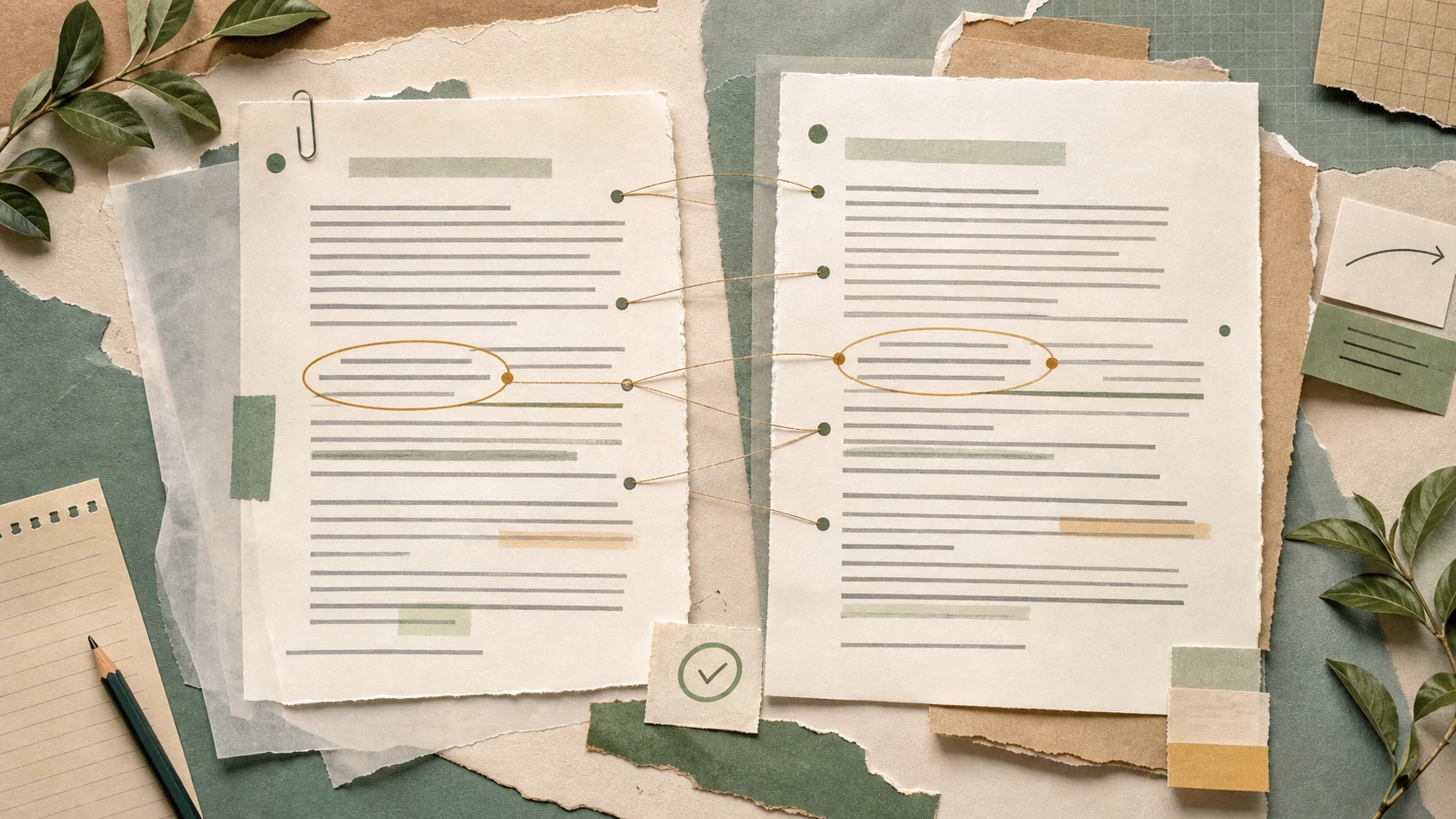
Reduce word count with a clear cut budget, a worked editing example, and checks that protect your argument, evidence, and qualifications.
A clear definition of AI humanizers, how they work, when students should use them, and why responsible review matters.
A meaning-preservation workflow for students who want smoother AI-assisted writing without semantic drift.
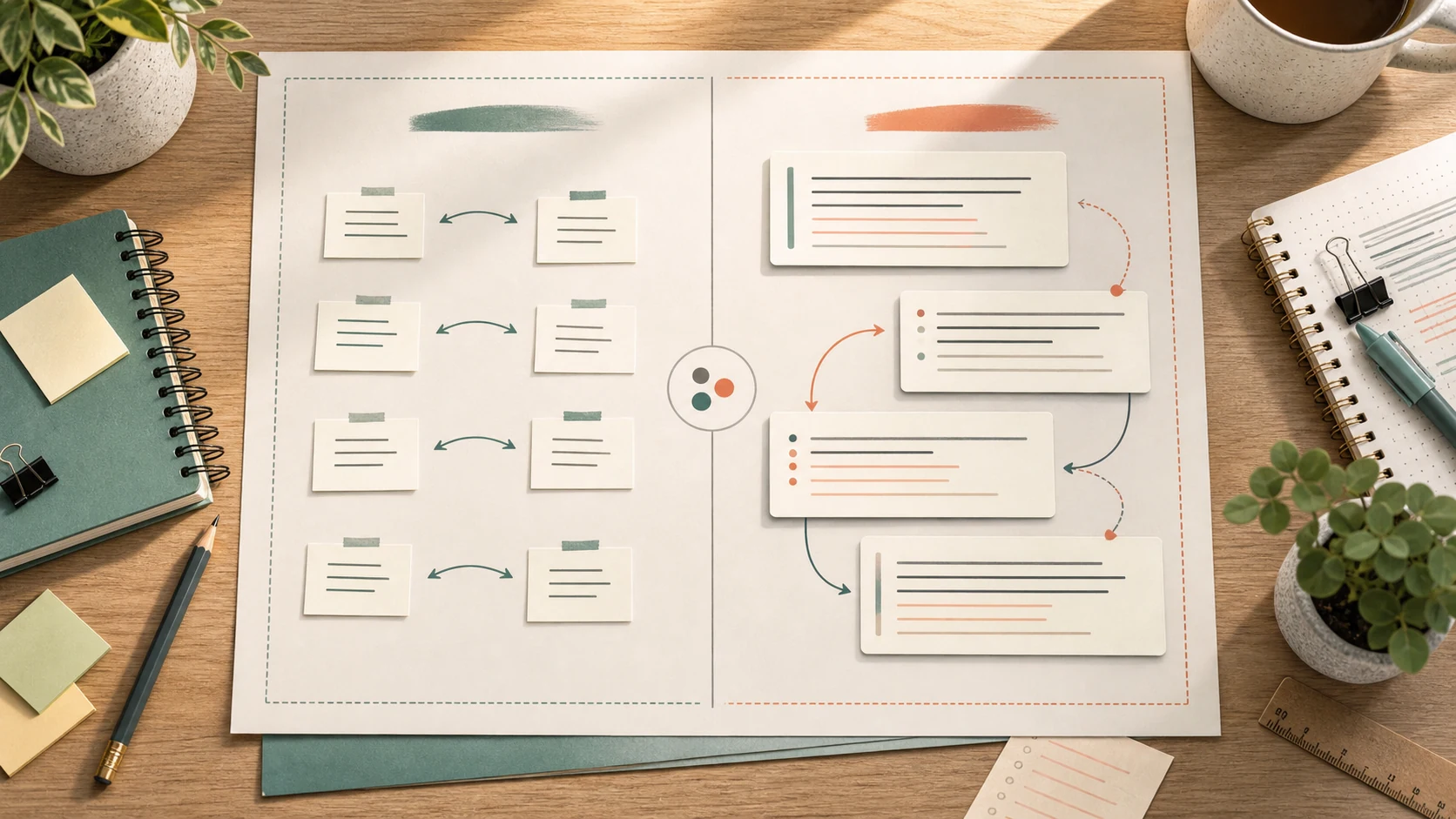
A practical comparison of AI humanizers and paraphrasing tools for essays, reports, ESL writing, and final-pass editing.
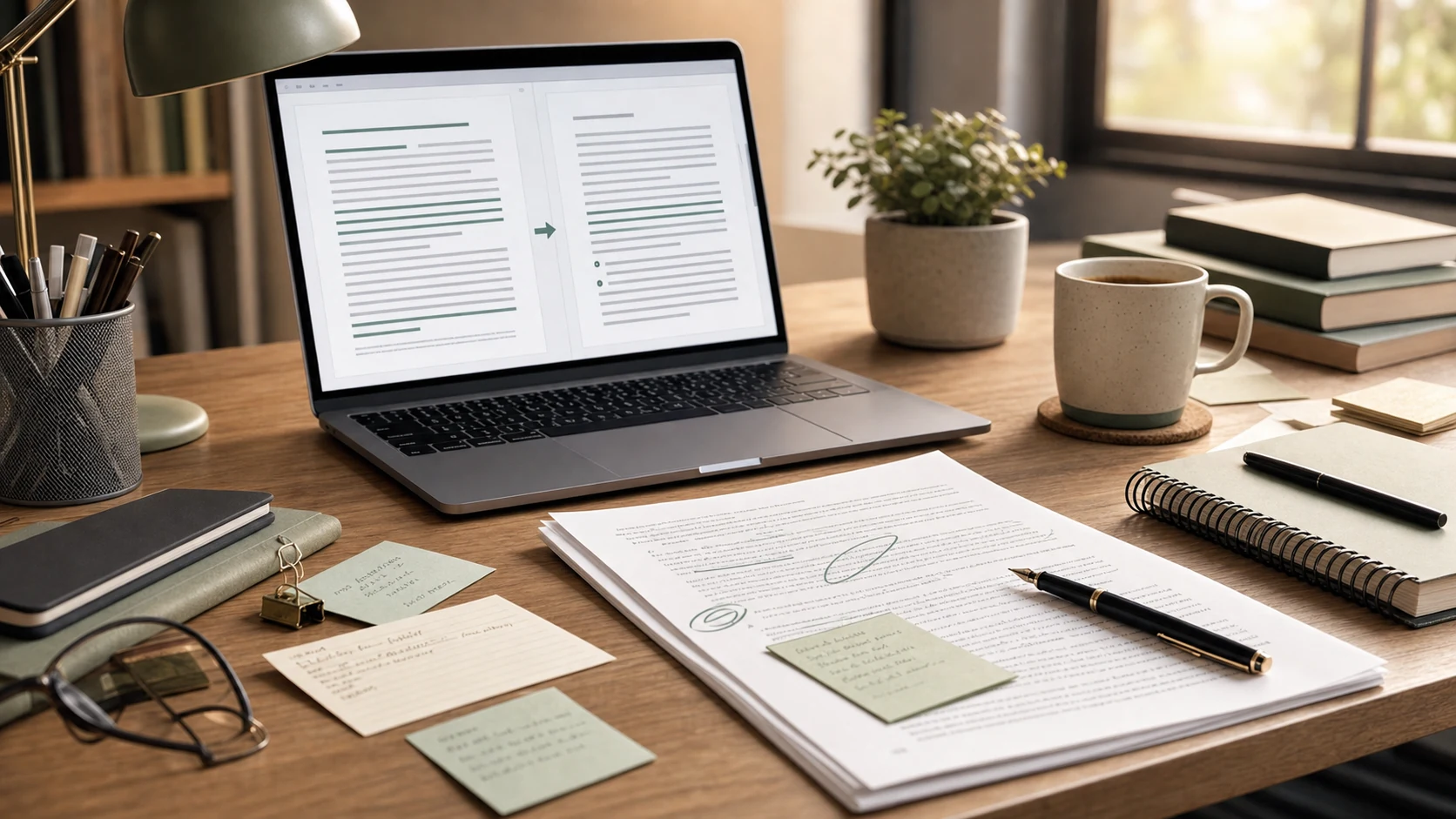
A clear second-level guide for students who want AI-assisted drafts to sound natural without losing meaning, accuracy, or policy awareness.

A practical guide for using AI editing tools without losing academic integrity, authorship, or control over the final draft.
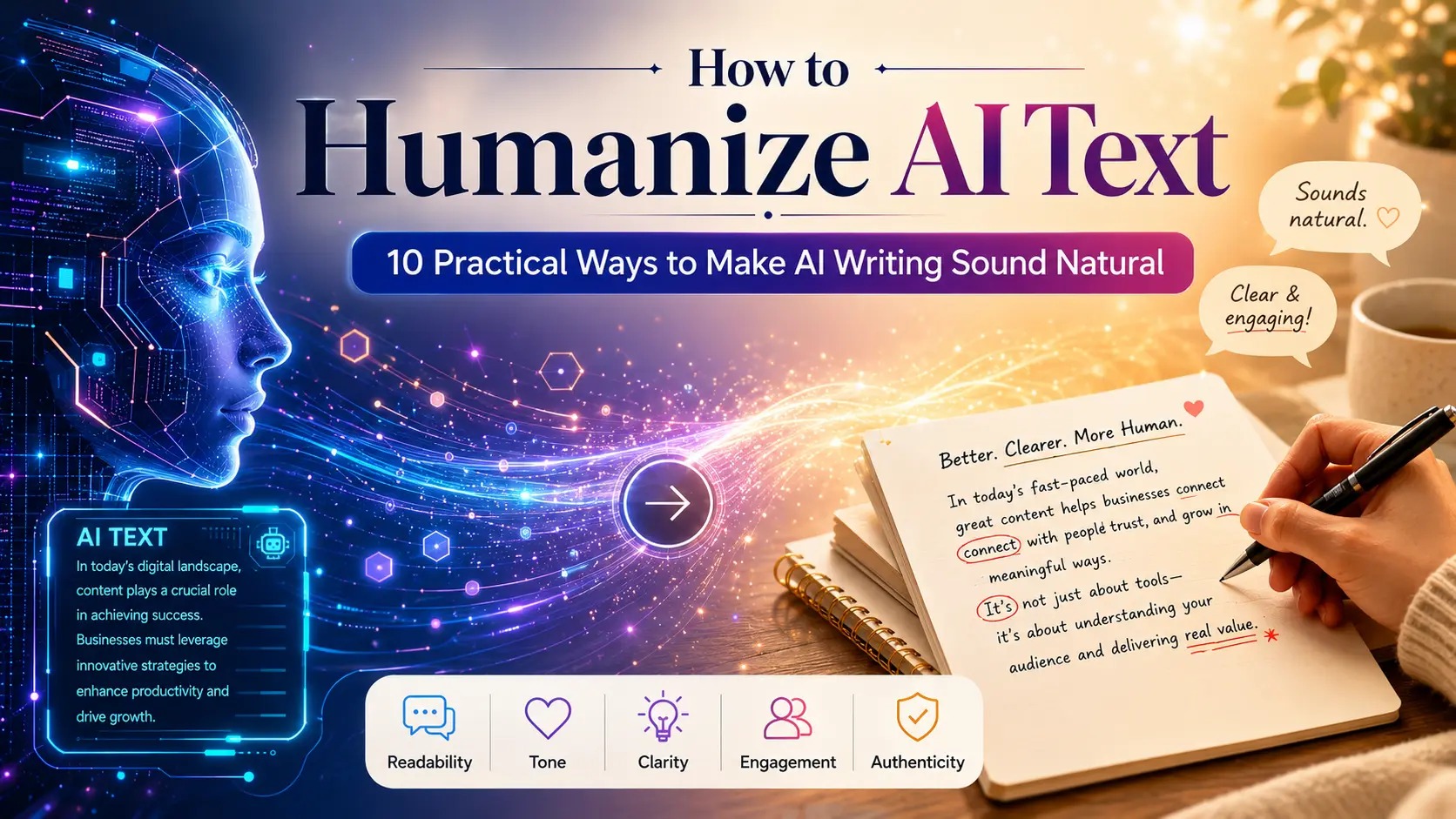
A practical editing workflow for students and writers who want AI-assisted drafts to sound natural while preserving meaning, accuracy, and responsible use.
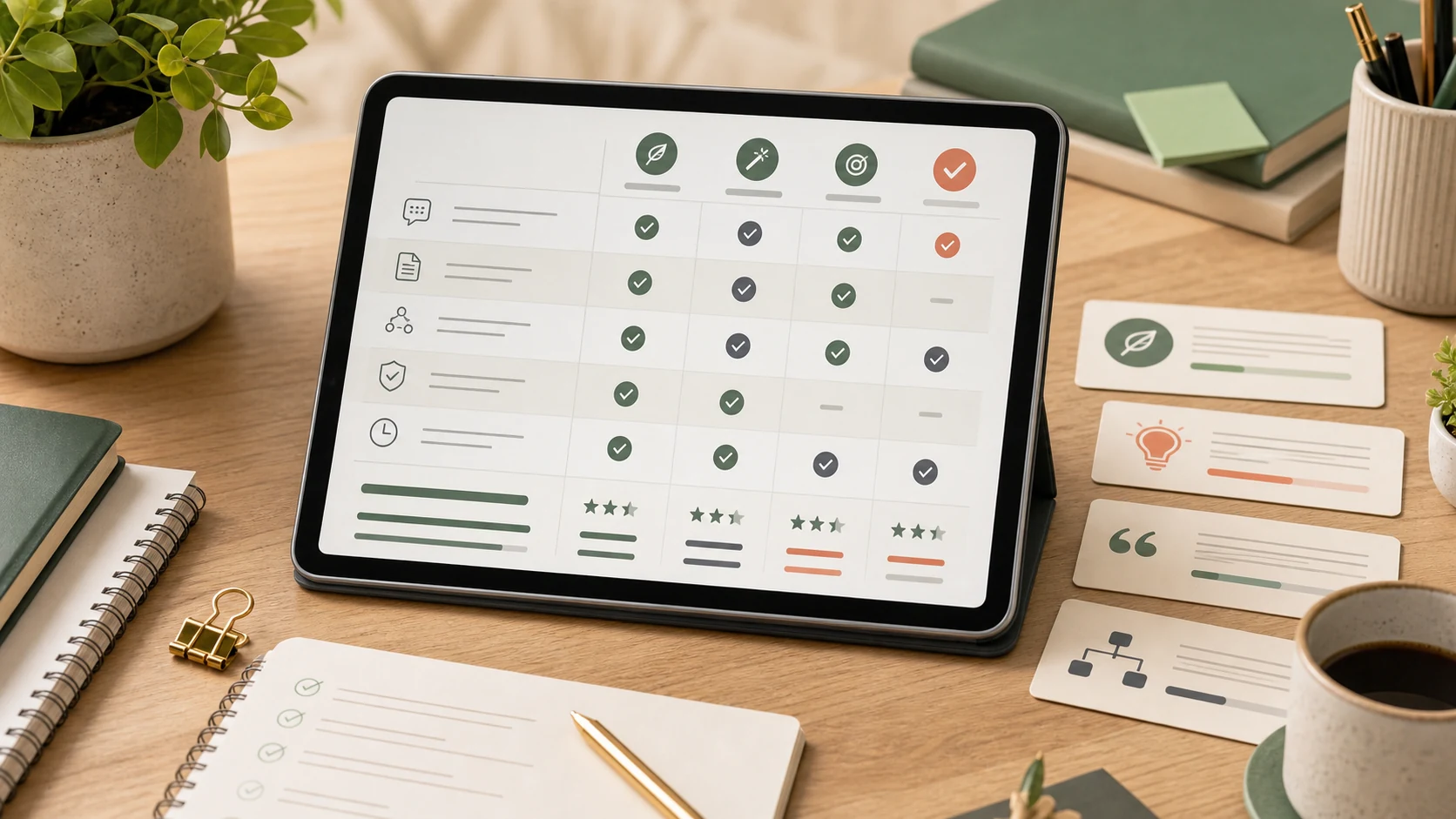
A quality-first comparison framework for choosing AI humanizer tools without relying on unrealistic detector-bypass promises.